Guide · Unit turnovers
Make-Ready Cleaning in Albany, NY — The Complete Property Manager's Guide
What a true make-ready covers room by room, how to sequence it with other trades, and how to keep vacancy days to a minimum.
By the TPS Pro team · · 14 min read
Every day a rental unit sits vacant after a turnover, you are losing money. In a market like Albany NY — where residential and student housing demand is strong year-round and especially intense from May through August — the speed and quality of your unit turnover directly affects your bottom line. Make-ready cleaning is the foundation of that process, and it is one of the areas where property managers either have a reliable system or consistently scramble.
This guide covers everything a property manager or landlord in Albany NY needs to know about make-ready cleaning: what it actually is, what a complete scope looks like room by room, how it differs from other types of cleaning, how to time it with your other trades, what to demand from a vendor, and what drives the cost. Whether you manage one building or a portfolio of hundreds of units, the fundamentals are the same. For high-volume student buildings, see our student turnover service.
What Is Make-Ready Cleaning?
Make-ready cleaning — sometimes called make-ready prep or turnover cleaning — is a comprehensive cleaning service performed on a vacant rental unit to bring it to a move-in ready condition for the next tenant. It is called "make-ready" because that is exactly the goal: making the unit ready. Not just clean, but genuinely move-in ready — the kind of condition where a new tenant walks in and their first impression is that the unit is fresh, clean, and well-maintained.
Make-ready cleaning goes significantly deeper than standard recurring cleaning. Where a weekly office cleaning might hit surfaces and floors on a maintenance basis, a make-ready clean addresses everything: the inside of cabinets that never get touched during regular service, the grease buildup on the range hood, the hard water deposits on the shower glass, the grime in the window tracks, the scuff marks on the baseboards, and the dust and debris in closets and utility spaces. It is a full reset of the unit.
Make-ready cleaning is also different from a "deep clean" in the general sense. A deep clean might be performed in an occupied unit to address accumulated soil. A make-ready is always performed in a vacant unit, typically after inspection and any repairs, with the specific deliverable of inspection-ready, move-in-ready condition. The timeline and documentation requirements are different too — property managers need to know exactly when the unit is done and have photo or checklist documentation to protect against future security deposit disputes.
The Full Make-Ready Cleaning Scope: Room by Room
Here is what a complete make-ready clean covers. This is the standard scope that a professional cleaning company operating in the Albany NY residential and student housing market should be delivering. If a vendor's scope does not include most of these items, you are not getting a true make-ready — you are getting a partial clean that will require follow-up.
Kitchen
- Range and stovetop: burner grates removed and cleaned, drip pans cleaned or replaced, stovetop surface degreased
- Oven interior: full cleaning including racks, door glass inside and out, and seal
- Range hood and filters: exterior and interior degreasing, filter cleaning or replacement
- Refrigerator: interior shelves, drawers, and door bins cleaned and sanitized; exterior wiped including top and handles; coil area swept if accessible
- Dishwasher: interior wiped, filter cleaned, door seal wiped
- All cabinet and drawer interiors wiped down and free of crumbs, debris, and liner material left by prior tenant
- Countertops cleaned and sanitized
- Sink and faucet cleaned and descaled
- Backsplash scrubbed
- Floor swept, mopped, and cleaned in corners and under appliances where accessible
Bathrooms
- Toilet: bowl, seat (both sides), tank exterior, base, and surrounding floor
- Tub and shower: tile and grout scrubbed, hard water stains addressed, faucet and fixtures cleaned and polished
- Shower glass or curtain rod cleaned
- Sink and vanity: basin cleaned and descaled, faucet polished, vanity top and underside wiped
- Mirror cleaned streak-free
- Medicine cabinet interior wiped
- Cabinet and vanity interiors cleaned
- Exhaust fan cover dusted or cleaned
- Baseboards and floor edges scrubbed
- Floor mopped including behind toilet and in corners
Bedrooms and Living Areas
- All closet interiors swept and wiped — shelving, rods, and floor areas
- Baseboards wiped throughout
- Window tracks cleaned and free of debris
- Window sills and ledges wiped
- Blinds cleaned (dusted or wiped depending on type)
- Interior doors and door frames wiped
- Light switches and outlet covers wiped
- Ceiling fan blades wiped if present
- Walls spot-cleaned for marks and scuffs (full wall washing is a separate service)
- Carpet vacuumed — or hard floor swept and mopped
- Debris removed from all spaces including under-sink areas
Entry, Laundry, and Common Unit Areas
- Entry area swept and wiped including any coat closet
- Washer and dryer cleaned inside and out, lint trap cleared (if in-unit)
- Any utility closets swept and free of debris
- Patio or balcony swept if present
- All trash and abandoned belongings removed from the unit
Make-Ready vs. Standard Cleaning vs. Deep Clean: Key Differences
Property managers sometimes conflate these three service types, which leads to scope mismatches and units that are not actually ready when they need to be. Understanding the differences helps you order the right service and set the right expectations with your vendor.
Standard recurring cleaning is a maintenance service. It assumes a clean baseline and keeps it clean — vacuuming, mopping, wiping surfaces, emptying trash, cleaning bathrooms at a maintenance level. It does not address cabinet interiors, appliance deep cleaning, window tracks, grout scrubbing, or the dozens of items that build up over the course of a tenancy. Standard cleaning is appropriate for occupied units with routine service. It is not appropriate as a turnover service.
Deep cleaning is an intensive service that can be performed in either occupied or vacant units. It covers more than standard cleaning but does not necessarily follow a room-by-room turnover protocol. A deep clean might address specific high-priority areas — a particularly dirty kitchen or bathroom — without the comprehensive documentation and final-condition deliverable that make-ready cleaning implies.
Make-ready cleaning is a turnover-specific service with a defined deliverable: a vacant unit in move-in ready condition, documented with a room-by-room checklist and typically photographs. It is performed after the prior tenant has vacated and before the new tenant takes possession, often coordinated with painters, maintenance technicians, and carpet cleaners working in the unit on the same or adjacent timeline.
When ordering cleaning for a unit turnover, always specify make-ready cleaning — not "a deep clean" or "a thorough cleaning." The term make-ready communicates the specific deliverable and the turnover context to any experienced cleaning company.
Timing: How Many Days Before Move-In, and Coordinating with Other Trades
Timing is one of the most practically important aspects of make-ready cleaning that often does not get enough attention until something goes wrong. Here is how experienced property managers think about the sequence.
The Standard Turnover Sequence
A well-run unit turnover typically follows this order: move-out inspection, repairs and painting, carpet cleaning, final make-ready clean, touch-up inspection, and then move-in. The make-ready clean should happen after painting and repairs are complete — not before — because painting creates dust, overspray, and debris that will undo a cleaning performed prior. If carpet cleaning is part of the scope, it should be coordinated to happen either just before or as part of the make-ready clean, since carpet cleaning requires dry time and you do not want crews walking on wet carpet.
The timeline from move-out to move-in availability realistically looks like this for a typical apartment:
- Day 1: Move-out inspection; damage documentation; work orders issued
- Days 2–4: Painting and repairs (varies by scope)
- Day 4 or 5: Carpet cleaning (requires 4–6 hour dry time)
- Day 5 or 6: Make-ready cleaning
- Day 6 or 7: Final walkthrough; unit listed as available
For units with minimal damage and no painting needed, this compresses to 2 to 3 days. For units requiring significant work, it can extend to a week or more. The key is having your cleaning vendor on standby and booked in advance — not calling to schedule after repairs are complete, when the crew may not be available for several days.
Coordinating Cleaning with Painters and Maintenance
The most common scheduling problem in multi-unit turnovers is trades stepping on each other. Painters arrive to find the unit has not been prepped. Cleaning crews arrive to find painters are still finishing. Carpet cleaners arrive before cabinets have been cleaned and drop debris onto wet carpet. These coordination failures are expensive — they delay move-ins, create callbacks, and require re-doing completed work.
The solution is a simple sequential schedule communicated to all vendors in advance, with clear unit-by-unit status tracking. If you are managing 20 or more units in a single building, a shared Google Sheet with unit number, current status, and scheduled dates for each trade is often sufficient. For larger portfolios, property management software with work order sequencing handles this automatically.
TPS Pro coordinates directly with painters, maintenance teams, and carpet cleaning crews on large multi-unit turnovers. We can start units in sequence as they become available rather than waiting for an entire building to clear before beginning.
Student Housing Make-Ready: High Volume, Compressed Timeline
Albany's student housing market has its own make-ready dynamics that are different from general residential property management. Understanding these differences is essential if you manage student housing near UAlbany, Albany Law School, Albany Med, or any of the Capital Region colleges and universities.
The Peak Season Crunch
Student housing in Albany operates on an academic year lease cycle that creates an intense, compressed turnover window from late May through early August. Leases end, students move out (often leaving units in varying states of condition), and new leases begin — often with move-ins clustered in July and August. A 150-unit student apartment complex does not turn over 15 units a month for 10 months — it turns over 150 units in roughly a 10-week window.
This creates a fundamentally different cleaning operation than typical residential turnover. You are not scheduling one or two units per day — you are scheduling 10, 15, or 20 units per day across a building, with crews moving sequentially through the property. The cleaning company you hire for student housing make-readies needs to have the staffing, equipment, and project management capacity to execute at this volume without deteriorating quality midway through.
TPS Pro has turned 800+ units in a single turn and more than 5,000 units to date, for operators including PeakMade Real Estate, College Suites and The Coda & Mayflower in Syracuse. We plan crews specifically for peak season and agree a unit completion schedule up front, so property managers can sequence move-ins with confidence.
Condition Variability in Student Housing
One factor that distinguishes student housing make-readies from standard residential turnovers is the condition variability. In a typical apartment building, units come back in a range of conditions but within a predictable band. In student housing, the range is much wider. Unit A might be in near-perfect condition — minimal cleaning required, no damage, students clearly maintained it. Unit B next door might have a kitchen with significant grease buildup, carpet staining throughout, walls that need scrubbing, and a bathroom that has not been cleaned in months.
This variability requires a cleaning vendor who can assess each unit quickly on arrival, adjust the scope and labor accordingly, and communicate exceptions clearly — both for billing purposes and so you can prioritize maintenance follow-up on units that need it. A flat-rate-only approach to student housing make-readies often leaves money on the table for the cleaning company on bad units and overcharges you on units that are already in good shape.
Booking Early Is Non-Negotiable
Albany's peak turnover season runs the same window every year, and every property manager in the market is competing for the same pool of cleaning crews during that window. If you wait until April or May to secure your cleaning vendor for summer turnovers, you will have a harder time locking in crews at competitive rates — or at all. The cleaning companies that service large student housing accounts book their peak season capacity early — the best windows go as early as February.
If you manage student housing anywhere in the Albany Capital Region, the time to confirm your make-ready cleaning vendor for the upcoming season is well before spring. TPS Pro takes advance bookings and commits crews so you can plan your turnover schedule with certainty.
What to Demand from Your Make-Ready Cleaning Vendor
Not all cleaning companies are equipped to handle make-ready cleaning at a professional level. Here is what property managers in Albany should require from any vendor before awarding a make-ready contract.
A Written Room-by-Room Scope
Any serious make-ready cleaning vendor should be able to provide a written scope of work that specifies exactly what is cleaned in each room. If a company gives you a vague proposal — "we clean the unit thoroughly" — that is not a make-ready contract. You need a room-by-room scope you can use as a checklist during your own walkthrough after the clean is complete.
Unit-by-Unit Photo Documentation
Professional make-ready cleaning vendors should provide photos before and after each unit, or at minimum a post-clean photo set showing the condition of the unit as left. This documentation protects you in two ways: it confirms the work was completed to standard, and it provides a baseline record if a new tenant raises condition issues after move-in. Ask specifically whether your vendor provides photo documentation as part of their standard process, not as an optional add-on.
A Per-Unit Checklist System
Photo documentation is good. A completed checklist is better. Make-ready cleaning companies that operate at scale use digital or paper checklists that crew leads complete item by item for each unit. This creates an auditable record of what was done and when. It also catches items that might otherwise get skipped under time pressure during a high-volume turnover window.
Damage Documentation Protocol
When a cleaning crew enters a vacant unit, they are often the first set of professional eyes on the space after tenant move-out. They will encounter damage, maintenance issues, and items left behind that your inspection may have missed or noted as unknowns. Your cleaning vendor should have a protocol for documenting these findings — photos, notes, communication to your property management contact — so you can issue maintenance work orders promptly rather than discovering a broken fixture or missing appliance handle during the final walkthrough.
Insurance and Background-Checked Staff
Your make-ready cleaning crew will have unrestricted access to vacant units, often with master keys or key fobs. Insurance is a minimum requirement — general liability and workers' compensation. Beyond that, professional make-ready cleaning companies in Albany should be able to confirm that their staff are background-checked employees, not day laborers hired off the street for peak season volume. When your crew has access to every vacant unit in a building, this is not an optional consideration.
Albany-Specific Expectations: Large Apartment Complexes and Student Housing
Property managers at large Albany apartment complexes — particularly student-focused properties near UAlbany and the downtown colleges — have a higher bar for make-ready operations than a typical small landlord. The volume, the timeline pressure, and the institutional accountability standards demand a cleaning partner who operates like a contractor, not a cleaning service.
At scale, make-ready cleaning is a project management exercise as much as a cleaning operation. You need a vendor who can commit to a daily throughput rate, coordinate with your maintenance and leasing teams on unit sequencing, flag exceptions without being prompted, and deliver documentation that survives a property management audit. The cleaning company that does great work on 5 units may fall apart at 50.
When evaluating make-ready cleaning vendors for large Albany properties, ask these questions directly:
- What is your maximum daily unit capacity with your current staffing?
- How do you handle a unit that is significantly worse than expected — do you complete it the same day or flag it for a follow-up visit?
- Who is my single point of contact during the turnover window?
- How do you document and communicate damage findings to the property management team?
- What is your process if a unit does not pass inspection — do you return to address items at no additional charge?
A vendor who can answer all of these confidently and specifically — not generically — is a vendor who has actually done this work at scale before.
What Drives Make-Ready Cleaning Costs in Albany NY
TPS Pro does not publish a price list: every make-ready is quoted on the actual units, their condition and your deadline. Per-unit make-ready cleaning is driven by a handful of factors you can see in advance.
| Cost driver | Lighter scope | Heavier scope |
|---|---|---|
| Unit size | Studio or efficiency | 4+ bedrooms with multiple baths |
| Move-out condition | Tenant cleaned before leaving | Heavy grease, staining, debris left behind |
| Flooring | Hard surfaces only | Carpet that needs hot-water extraction |
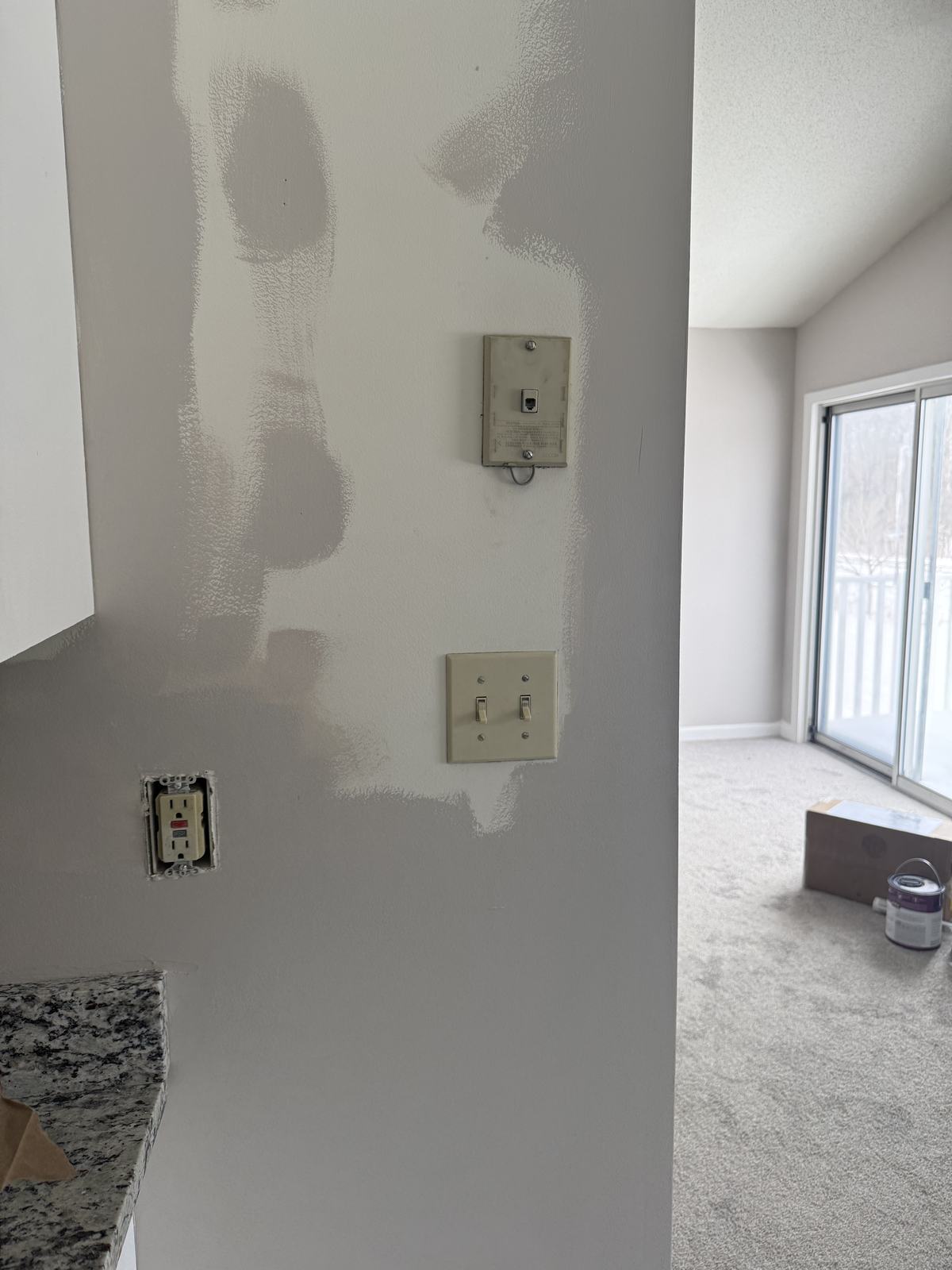
| Repairs and paint | None needed | Patch, paint and fixture repairs before the clean |
| Volume and timing | Many units, booked early, sequenced | A few units, last-minute, same-day deadline |
Volume helps: a crew moving through a building in sequence is more efficient than one making scattered single-unit trips. For property management companies with consistent seasonal or year-round volume, TPS Pro can agree per-unit terms across condition tiers ahead of the season — this gives property managers budget predictability and eliminates per-unit negotiations during the peak season crunch.
Wall washing, carpet replacement coordination, touch-up painting, and biohazard remediation are separate from the make-ready clean itself. Because TPS Pro also handles repairs, painting and patching, those items can go on the same work order — one crew, one contract — but they are scoped individually.
TPS Pro handles make-readies across Albany, Troy, Schenectady, Saratoga Springs, and the full Capital Region, from single units to whole buildings. Call (518) 948-7156 for a walkthrough and a written quote.
Why Make-Ready Quality Directly Affects Your Vacancy Rate
The connection between make-ready cleaning quality and leasing performance is direct and measurable. A prospective tenant who tours a unit and finds it clean, fresh, and well-maintained is significantly more likely to sign a lease than one who tours a unit that smells stale, has grease on the stove, or shows bathroom tile that has not been scrubbed. In Albany's competitive rental market — where prospective tenants have options and are often comparing units across multiple properties — first impressions matter.
Beyond initial leasing, make-ready quality affects tenant satisfaction and retention. A tenant who moves into a truly clean unit starts their tenancy with a positive impression of you as a landlord or property manager. A tenant who moves in and immediately finds that the refrigerator was not cleaned or the bathroom grout is still stained starts with a complaint — and that relationship rarely recovers fully.
The investment in a proper make-ready clean is not a cost center — it is a revenue-protecting activity. Every vacant day is a day of lost rent. A make-ready clean that saves you even two to three days of vacancy by producing a more marketable unit pays for itself.
TPS Pro's make-ready cleaning service in Albany NY is designed specifically around the property manager's perspective: fast scheduling, reliable execution, documentation that protects you, and the capacity to handle large-volume turnovers without losing quality. If you are managing residential or student housing in the Capital Region and need a make-ready cleaning partner for the upcoming season, contact us for a no-obligation quote.