Guide · Construction
Post-Construction Cleaning in Albany, NY — What's Included and What to Expect
The three phases of a professional post-construction clean, what is and is not included, and how GCs should hire for it.
By the TPS Pro team · · 15 min read
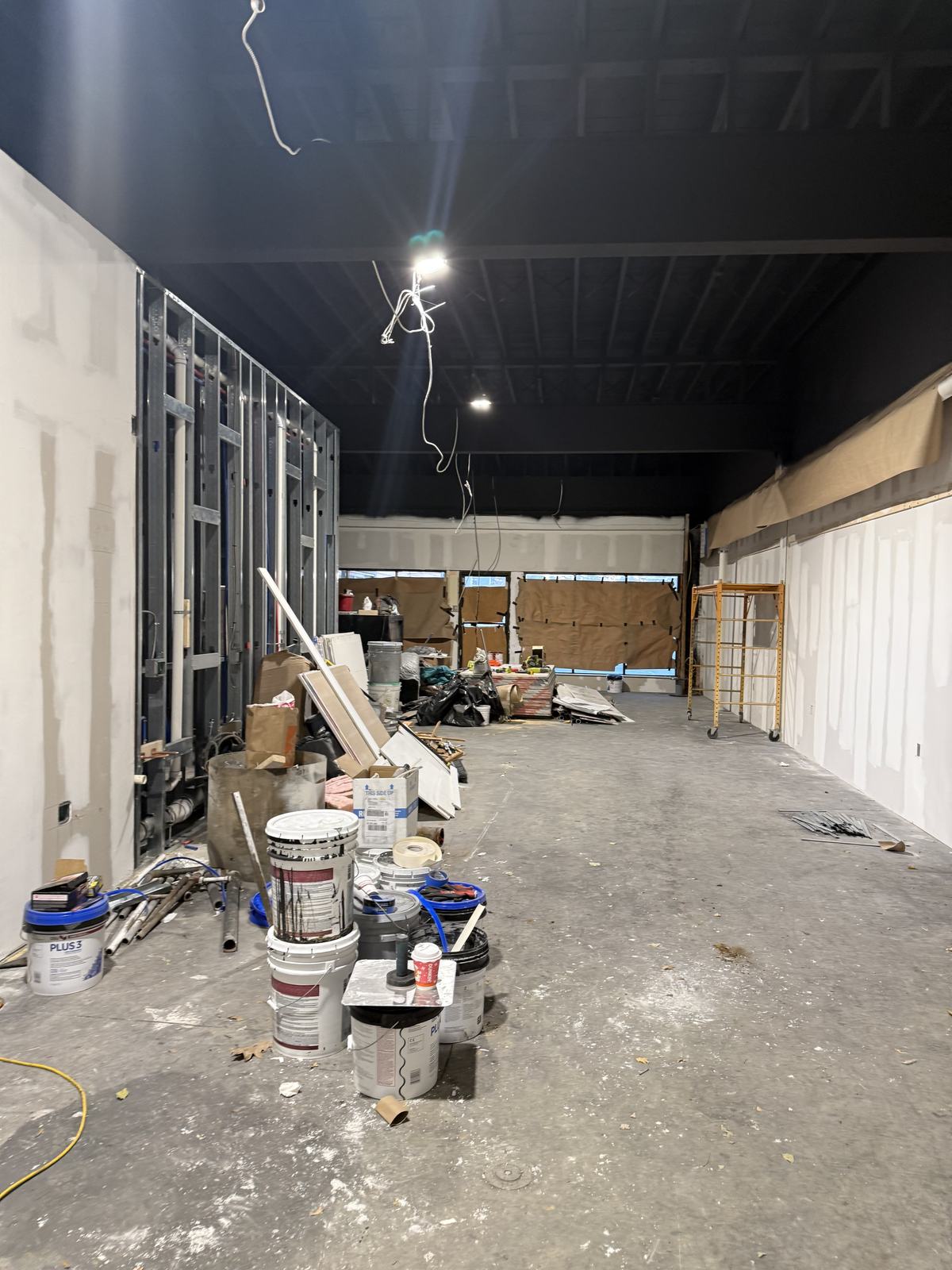
You have just finished a construction or renovation project in Albany. The last sub has cleared out, the punchlist is nearly done, and now you need to hand over a space that is genuinely clean — not just swept out. Post-construction cleaning is a specialized service, and it is fundamentally different from standard commercial cleaning in both scope and execution. Most regular cleaning companies are not equipped to handle it. And the GCs and developers who try to hand it off to a general janitorial crew consistently end up with a result that falls short of what the owner or tenant expects.
This guide covers everything you need to know about post-construction cleaning for Albany NY projects: what makes it different from regular cleaning, the three phases of a professional post-construction clean, exactly what is included and what is not, how to estimate timeline, what to look for when hiring a post-construction cleaning crew, and what drives the cost in the Albany Capital Region market. If you already know what you need, our post-construction cleaning service in Albany covers rough, final and touch-up phases, and our page for general contractors explains how we work as your cleaning sub.
Why Post-Construction Cleaning Is Different from Regular Commercial Cleaning
Regular commercial cleaning is a maintenance service. It assumes a clean baseline and keeps it that way — vacuuming, mopping, wiping surfaces, emptying trash. Post-construction cleaning is a remediation and preparation service. It starts from a construction site baseline, which means concrete dust on every surface, adhesive residue on windows and fixtures, drywall compound spatter on floors, paint overspray on hardware, construction debris in HVAC vents, and a film of particulate that settles into every horizontal surface, crevice, and corner.
Construction dust is a particular challenge because it is ultra-fine and electrostatic. It settles on everything and then resettles every time air moves through the space. Cleaning it effectively requires working in the right sequence — high to low — and using the right equipment. A crew using standard mops and rags will redistribute construction dust rather than remove it, and the space will look progressively worse as the dust migrates during the clean.
Post-construction cleaning also requires comfort working in a construction environment: around unfinished elements, with appropriate PPE, following the safety protocols of an active or recently active job site. A standard commercial cleaning crew that is used to clean occupied offices will often be slow, uncomfortable, or ineffective in a fresh construction environment.
The result you need — a space that is clean enough to hand over to an owner, tenant, or building inspector — requires a crew with specific experience, the right equipment, and a phased approach to the work.
The Three Phases of Professional Post-Construction Cleaning
Professional post-construction cleaning is typically organized into two or three phases depending on the project timeline. Understanding these phases helps GCs and project managers schedule cleaning into the project schedule correctly and know what to expect at each stage.
Phase 1: Rough Clean
- Construction debris removal — lumber scraps, drywall pieces, packaging, fasteners, drop cloths
- Gross dust removal from floors — sweeping or industrial vacuuming before mopping
- Removal of protective coverings from floors, fixtures, and countertops where trades have finished
- Initial wipedown of surfaces to remove the heaviest construction soil before finish trades complete their work
- HVAC vent covers removed and cleaned; interior of ducts vacuumed at accessible points to reduce circulation of construction particulate
- Window protection film and tape removed where instructed
When: During or immediately after the construction phase, before finish work is complete. The rough clean is often performed in multiple passes as sections of the project complete.
Phase 2: Final Clean
- Full construction dust removal from all surfaces — walls, ceilings, exposed structure, shelving, millwork, and cabinetry
- Adhesive residue and sticker removal from all windows, glass, mirrors, fixtures, and hardware
- Interior window cleaning — all glass wiped streak-free
- Hard floor cleaning — detailed sweeping, mopping, and scrubbing as appropriate for the floor material (concrete, VCT, LVP, tile, hardwood)
- Carpet vacuuming if installed
- Cabinet and millwork interiors and exteriors wiped clean of dust and debris
- Fixture and hardware cleaning — light fixtures, switches, outlets, plumbing fixtures, door hardware wiped down
- Restroom sanitization — toilets, sinks, counters, mirrors, floors
- Elevator interior cleaned if present
- Final trash and debris removal
When: After all construction work is complete, all trades have demobilized, and the space is ready for its final inspection and handover. This is the primary deliverable of post-construction cleaning.
Phase 3: Touch-Up Clean (Day-Of or Pre-Occupancy)
- Removal of any dust that has resettled since the final clean
- Quick wipe of all flat surfaces, windowsills, and horizontal elements
- Spot cleaning of any marks introduced during final inspections or owner walkthroughs
- Restroom touch-up
- Floor detail in entry areas and high-visibility zones
When: Immediately before the owner walkthrough, ribbon cutting, tenant move-in, or opening day — typically within 24 to 48 hours of handover. Construction dust continues to settle for days after the final clean, so this phase ensures the space looks its best at the moment it matters most.
On smaller projects — a 1,500 sq ft office renovation, a single-floor tenant improvement — the rough clean phase is often minimal or combined with the final clean. On larger ground-up commercial projects, all three phases are distinct and may span several weeks of the project schedule. Your cleaning vendor should be able to advise on which phases your project requires based on the scope and timeline.
What Is Included in Post-Construction Cleaning
Here is a comprehensive list of what professional post-construction cleaning covers on a standard Albany area commercial or residential project. Some items are standard on all projects; others apply only to specific project types or are included depending on what was built or renovated.
Construction Dust and Particulate Removal
This is the core of any post-construction clean. Construction dust — primarily from drywall cutting, sanding, concrete work, and framing — settles as a fine layer on every horizontal surface and migrates into every accessible crevice. A professional post-construction cleaning crew removes dust from floors, surfaces, windowsills, soffits, exposed structural elements, top surfaces of door frames, and anywhere else it has accumulated. This requires working from the highest surfaces down, using industrial vacuums with HEPA filtration rather than regular vacuums that recirculate fine particles.
Adhesive and Sticker Residue Removal
New construction and renovation projects leave adhesive residue on nearly every surface: protective film on windows and glass, stickers on fixtures and hardware, tape residue on floors and walls from protecting finished surfaces during construction. Removing this residue properly requires the right solvents and technique for each surface type — what works on glass may damage a powder-coated fixture, and aggressive scraping on LVP flooring can leave marks. An experienced post-construction cleaning crew knows the right approach for each material.
Interior Window Cleaning
All interior glass surfaces — windows, glass partitions, storefronts, mirrors, shower enclosures — are cleaned streak-free as part of final clean. This includes removing construction film, adhesive, paint overspray, and fingerprints from the installation process. Interior window cleaning is distinct from exterior window cleaning, which is a separate scope and almost always contracted separately.
Floor Cleaning and Preparation
Post-construction floor cleaning varies by material. Concrete floors receive a detailed sweep and mop to remove construction particulate, with scrubbing for adhesive residue or cured concrete splatter. Luxury vinyl plank (LVP) and vinyl composition tile (VCT) floors are swept, mopped, and inspected for adhesive residue from installation. Tile floors are mopped with attention to grout lines where construction dust accumulates. Hardwood and engineered wood floors receive a careful sweep and dry clean appropriate to the finish type. Carpet is vacuumed with a commercial-grade vacuum after all other trades have finished.
HVAC Vent and Diffuser Cleaning
Construction dust infiltrates HVAC systems during the construction phase and accumulates in supply and return air vents, diffusers, and grilles. Post-construction cleaning includes removing vent covers, vacuuming the interior of accessible duct sections, wiping vent covers clean, and reinstalling them. This is important for air quality in the finished space — HVAC systems that blow construction dust after handover are a common complaint from owners and tenants on projects where this step was skipped.
Fixture and Hardware Cleaning
All installed fixtures and hardware are wiped clean as part of final clean: light fixtures and bulbs, electrical switches and outlet covers, plumbing fixtures and faucets, door handles and hinges, cabinet hardware, and any specialty hardware installed as part of the project. Paint overspray and construction fingerprints are removed from all hardware surfaces.
Cabinet and Millwork Cleaning
Cabinet interiors and exteriors, millwork, built-ins, and shelving are wiped free of construction dust and debris. Drawer slides and cabinet hinges are checked and cleared of debris. Any protective packaging or cardboard left inside cabinetry by installers is removed.
Restroom and Kitchen Cleaning
Newly installed restrooms and kitchens receive a full first-clean: toilets, sinks, counters, shower or tub enclosures, mirrors, and floors. Grout in new tile installations is cleaned of haze and any excess grout material. New appliances are wiped inside and out. Protective film is removed from all surfaces.
What Is NOT Included in Post-Construction Cleaning
Being clear about scope boundaries prevents disputes and ensures that the right trades or vendors are engaged for items outside the cleaning scope. Here is what professional post-construction cleaning companies in Albany typically do not include in their standard scope.
Hazardous Material Removal
Post-construction cleaning crews do not handle hazardous materials: asbestos, lead paint, mold remediation, chemical spills, or any material that requires licensed specialty remediation. If your project involves any of these, they must be addressed by licensed contractors before post-construction cleaning begins. A cleaning crew that agrees to handle these materials either does not understand the regulatory requirements or is not operating with proper licensing and insurance.
Exterior Cleaning
Exterior window cleaning, pressure washing of building exteriors, concrete cleaning, and parking lot maintenance are outside the scope of interior post-construction cleaning. These services are contracted separately. If your project requires exterior cleaning as part of the handover, budget for it as a separate line item and contract it separately — ideally with a company that has the proper equipment for the exterior material type.
Debris Hauling Beyond Normal Construction Cleanup
Standard post-construction cleaning includes removing the debris left in the space after trades demobilize — scraps, packaging, drop cloths, minor leftover materials. It does not include hauling large volumes of leftover construction materials, removing dumpsters, or managing the GC's waste stream. If substantial debris removal is needed beyond typical end-of-project cleanup, this is a separate hauling scope.
Touch-Up Painting or Repair
Cleaning crews remove soil; they do not repair construction defects. Paint touch-ups, drywall repairs, caulking, or any remediation of construction quality issues are the responsibility of the GC's trades. If the cleaning crew identifies damage during the clean, they should document and report it — but addressing it is outside their scope.
Deep Duct Cleaning
Post-construction cleaning includes surface-level HVAC vent and diffuser cleaning. Full duct cleaning — which involves specialized equipment to clean the interior of the entire duct system — is a separate service performed by HVAC duct cleaning specialists. On large commercial construction projects, the architect or building owner may specify full duct cleaning as part of the commissioning process; this is not included in standard post-construction cleaning scope.
Timeline: How Long Does Post-Construction Cleaning Take?
Timeline is a frequent question from GCs and project managers trying to build post-construction cleaning into their project schedules. Here are realistic estimates for Albany area projects of different sizes.
| Project Size | Rough Clean | Final Clean | Touch-Up |
|---|---|---|---|
| Under 2,000 sq ft (residential, small office) | Half day | 1 day | 2–3 hours |
| 2,000 – 5,000 sq ft (commercial TI, retail) | Half to full day | 1–2 days | Half day |
| 5,000 – 15,000 sq ft (office floor, large retail) | 1–2 days | 2–4 days | Half to full day |
| 15,000 – 50,000 sq ft (multi-floor, large commercial) | Multiple passes over days | 5–10 days | 1–2 days |
| 50,000+ sq ft (ground-up commercial, industrial) | Phased during construction | 10+ days | 2–3 days |
These timelines assume a standard two-person or three-person crew. Larger crews can compress the timeline proportionally, which is often worth the additional cost when a project is approaching a hard handover deadline. TPS Pro can staff up for deadline-driven projects when given advance notice — communicate your hard dates early and we can plan crew size accordingly.
One important note on dust resettlement: no matter how thoroughly the final clean is performed, construction dust continues to migrate and resettle for 48 to 72 hours after the clean is complete. This is why the touch-up clean exists. If you are presenting the space to an owner or doing a final inspection immediately after the final clean, there will likely be visible dust on horizontal surfaces. Schedule the final clean with enough buffer for the touch-up to be performed within 24 to 48 hours of the actual handover.
How to Hire a Post-Construction Cleaning Company in Albany
GCs and developers in the Albany Capital Region have options when it comes to post-construction cleaning, and the quality difference between providers is significant. Here is what experienced project managers look for when evaluating post-construction cleaning vendors.
Demonstrated Experience in Construction Environments
Post-construction cleaning experience is not the same as commercial cleaning experience. Ask specifically about post-construction projects: What types of projects have you cleaned? What is the largest commercial post-construction project you have completed? Can you provide references from GCs or developers? A company that cannot point to specific post-construction experience and provide references from construction industry clients is a risk on a project where the cleaning result affects your handover timeline.
Appropriate Insurance Coverage
Post-construction cleaning on an active or recently active job site carries different liability exposure than cleaning an occupied office. The cleaning company you hire should carry general liability coverage appropriate to commercial construction environments, at the limits your contract requires, plus workers' compensation for all crew members. Some GC contracts require the cleaning subcontractor to carry specific coverage limits or name the GC as an additional insured. Confirm these requirements with your cleaning vendor before mobilization.
Knowledge of Construction Materials and Surface Types
A post-construction cleaning crew needs to know how to clean without damaging new finishes. The wrong cleaning approach on polished concrete, LVP flooring, stone countertops, or specialty glass can cause visible damage that creates disputes and callbacks. Ask about their approach to specific materials used in your project. A crew that gives you a confident, specific answer understands their trade. A crew that says they will figure it out on site is a risk to new finishes.
Equipment Appropriate for Construction Environments
Post-construction cleaning requires industrial-grade equipment: HEPA-filter vacuums for construction dust, backpack vacuums for efficient coverage of large areas, floor scrubbers appropriate for the floor types in the project, and appropriate chemical products for adhesive removal without surface damage. A crew that shows up with residential cleaning equipment or basic commercial supplies is not equipped for post-construction work on anything beyond a small residential project.
Communication and Coordination Capacity
On construction projects, schedules change, trades run late, and access windows shift. Your post-construction cleaning vendor needs to be reachable, flexible, and experienced at coordinating with a GC's project manager. A cleaning company that requires three days notice for any schedule change will create friction on a project timeline. Ask directly about their flexibility on scheduling and how they handle last-minute access changes or scope adjustments.
Red Flags in Post-Construction Cleaning Bids
Evaluating post-construction cleaning bids is easier when you know what to watch for. Here are the warning signs that indicate a vendor is not well-positioned to deliver on a professional construction project.
No Experience Specific to Construction
A cleaning company with a commercial cleaning portfolio but no specific post-construction project references is a risk. Commercial cleaning and post-construction cleaning require different skills, different equipment, and a different mindset. "We clean everything" is not an answer. You want specific examples of similar projects completed to standard.
No Phase Structure in the Proposal
A professional post-construction cleaning proposal should specify whether the scope includes rough clean, final clean, touch-up, or some combination — and when each phase is scheduled relative to the project timeline. A proposal that simply says "post-construction cleaning of 10,000 sq ft" with a single number and no phase structure is either from a company that does not understand the work or is deliberately vague to limit their scope commitment.
Pricing That Seems Too Low
Post-construction cleaning involves more labor per square foot than standard commercial cleaning because construction soil is harder to remove and requires more careful technique. If a bid comes in at a fraction of the others, investigate why. The most common explanations are an incomplete scope, inexperienced labor, or a company that will struggle to finish the work on deadline and require the GC to manage the situation. On a project with a hard handover date, a low bid that fails to deliver costs far more than a fair bid from a competent vendor.
No Written Scope Breakdown
Every post-construction cleaning proposal should include a written breakdown of what is and is not included, which phases are covered, and what constitutes completion. "We'll make it clean" is not a project scope. Without a written scope, there is no shared definition of done — and disputes at handover are the predictable result.
What Drives Post-Construction Cleaning Costs in Albany NY
TPS Pro does not publish prices: every post-construction clean is walked and quoted on its own scope. The quote reflects the type of clean (rough, final, or touch-up), the nature of the project (new construction vs. renovation vs. tenant improvement), and any specialty requirements.
| Cleaning Phase | Relative effort | Notes |
|---|---|---|
| Rough Clean | Lighter per sq ft | Debris removal, gross dust, surface prep during construction |
| Final Clean | Heaviest single phase | Full construction cleaning; most common standalone scope |
| Touch-Up Clean | Lighter per sq ft | Pre-handover surface clean after dust resettlement |
| Full Three-Phase Package | Most complete | All phases; appropriate for large commercial projects |
| Residential New Construction | Varies with finishes | Single-family or multifamily new build |
Beyond phase, the biggest drivers are square footage, the amount of glass and fixtures, how much dust has settled into HVAC and high surfaces, and how compressed the handover deadline is. Projects requiring specialty work — extensive adhesive removal, polished concrete floor care, highly detailed millwork cleaning in high-end finishes — take more time. Any reputable post-construction cleaning company will walk through your project and provide a firm written quote before mobilizing.
TPS Pro works with Albany-area general contractors and developers on a project basis. We can mobilize for rough clean during construction and schedule final and touch-up phases around your project timeline. Available across Albany, Troy, Schenectady, Saratoga Springs, and the full Capital Region.
Working with Albany GCs: What TPS Pro Brings to Post-Construction Projects
TPS Pro has built a post-construction cleaning operation designed to work as a true subcontractor alongside GC teams in the Albany Capital Region. We understand construction timelines, we communicate directly with project managers and superintendents, and we do not need hand-holding to work effectively in a construction environment.
Our post-construction cleaning capability includes:
- Commercial-grade HEPA vacuum systems appropriate for construction dust
- Industrial floor cleaning equipment for concrete, VCT, LVP, tile, and hardwood
- Appropriate chemical inventory for adhesive removal on different surface types without causing damage
- Experienced crews who read project conditions and flag scope changes in the field
- Direct communication with your project manager — not a scheduling desk
- Flexible scheduling to accommodate the realities of construction timelines
- Fully insured, with a W-9 and certificate of insurance provided before mobilization
We service Albany, Troy, Schenectady, Saratoga Springs, Clifton Park, Cohoes, and the broader Capital Region. If you are a GC or developer with an upcoming project and want to discuss the cleaning scope, call us at (518) 948-7156 or use the quote form below. We schedule a site visit and send a written scope and price, usually within 24 hours of the walkthrough. For projects with defined timelines, the earlier you confirm your cleaning subcontractor, the smoother your project schedule will run.
Related services: post-construction cleaning service page, renovation cleaning, renovations & construction, commercial cleaning cost guide for Albany.